







Search Results for: Hand-brewed Coffee Beans

Hand-brewed Blend Coffee Beans | Can Espresso Beans Be Used for Hand-brewed Coffee? How to Blend Single-Origin Beans for Hand-brewing? Hand-brewed Blend Bean Roasting Parameters and Flavor Introduction?
As autumn turns to winter and the weather gradually cools, Front Street Coffee created the Front Street Sunflower Warm Sun espresso blend, suited to espresso, quite some time ago. Following this line of thinking, Front Street also wanted to make a blended coffee bean suitable for autumn drinking and usable for pour-over coffee. Front Street Coffee (FrontStreet C [more…]

Seven Elements of Hand-Brewed Coffee | Is the correct English for hand-brewed coffee "Hand Drip" or "Pour Over coffee"? What are the brewing methods for hand-brewed coffee?
What is the English for pour-over coffee? If translated literally, it could be rendered as "Hand coffee," but that term is definitely incorrect. Next, expressions like "Hand punch" are also common mistranslations. The correct term should be "Pour over coffee." Now, pour-over [more…]
High-Value Specialty Hand-Brewed Coffee Beans | How to Brew Single-Origin Beans as Hand-Drip Black Coffee with High Sweetness? Where Does the Sweet Aroma of Hand-Brewed Coffee Beans Come From?
To some people, black coffee is bitter; to others, it's sour. But if you hear someone say, "Wow, this cup of coffee is so sweet!" you'd probably think to yourself, "How could black coffee possibly be sweet?" As Front Street has explained in the article analyzing the chemical composition of green coffee beans, the sucrose in green coffee beans, [more…]

Recommendations for Pour-Over Coffee Beans with Pronounced Sweetness and Rich Fruit Aroma: Balancing Budget and Drinking Frequency
From bean to cup, a coffee still has to go through grinding and extraction. When choosing hand-brewed coffee beans with pronounced sweetness and rich fruity aromas for everyday drinking, you need to consider how quickly you'll finish them, how much to buy at once, and whether your household mainly drinks black coffee or milk-based coffee. First confirm your usual brewing equipment and preferred taste, then compare specific beans, and put them to the test in practice. [more…]

What Kind of Pour-Over Coffee Beans Should Beginners Buy: Balancing Budget and Drinking Frequency
For beginners buying hand-brewed coffee beans, it's suitable to build judgment gradually from taste experience. When buying beans for daily use, you need to consider how quickly you'll drink them, how much to buy at once, and whether you mainly make black coffee or milk coffee at home. Flavor words on the packaging can provide clues, but they cannot replace the actual drinking experience—whether the acidity is mellow and whether the sweetness lingers. [more…]
Pour-Over Single-Origin Coffee Recommendations: Balancing Budget and Drinking Frequency
From bean to cup, a coffee must still go through grinding and extraction. When it comes to hand-brewed single-origin coffee, your everyday bean buying needs to take into account how quickly you'll drink it, how much to buy at a time, and whether you mainly make black coffee or milk coffee at home. First confirm your usual equipment and preferred taste, then compare specific beans—your actual practice will have clearer direction. [more…]

A few recommended pour-over coffee beans with gentle acidity: balancing budget and drinking frequency
When it comes to hand-brewed coffee beans with a soft acidity, first consider how you'll be drinking them every day. For everyday bean purchases, you need to think about how quickly you'll go through them, how much to buy at once, and whether your household mainly drinks black coffee or milk coffee. If you mainly drink black coffee, you can pay more attention to aroma and aftertaste; if you often add milk, you need to consider whether the intensity and body can hold up. [more…]
Choosing Hand-Brewed Coffee Beans by Roast Level Makes Flavor and Brewing Method Clearer
When selecting hand-brewed coffee beans by roast level, they can generally be divided into light, medium, and medium-dark roasts. Light roasts preserve more of the origin's character, often featuring floral notes, fruity acidity, and a crisp body; medium roasts strike a balance between sweetness, acidity, and body; medium-dark roasts shift the flavor toward nuts, cocoa, and caramel. First, understand this spectrum of change. [more…]

How to Choose Hand-Brewed Coffee Beans by Roast Level
The roast level of hand-brewed coffee beans determines where the flavors in the cup unfold. Light roasts make floral and fruity notes easier to perceive, medium roasts connect sweetness, acidity, and body, while dark roasts bring cocoa, nut, and roasted aromas. For ordinary consumers, choosing according to the flavors they like and how they usually drink coffee matters more than looking only at [more…]

A Guide to Buying Hand-Brewed Coffee Beans: Balancing Budget and Drinking Frequency
Hand-brewed coffee beans are best approached by gradually building your judgment from taste experience. When buying beans for daily use, you need to consider how quickly you'll drink them, how much to buy at a time, and whether you mainly make black coffee or milk coffee at home. The flavor words on the packaging can offer clues, but they cannot replace the actual drinking experience—whether the acidity is mellow, whether the sweetness lingers, and whether the mouthfeel is smooth. [more…]
Fruity and Floral Single-Origin Coffee Recommendations | Why Does Hand-Brewed Black Coffee Taste Like Fruit? What's the Difference in Fruity Flavors Between African and South American Coffee Beans?
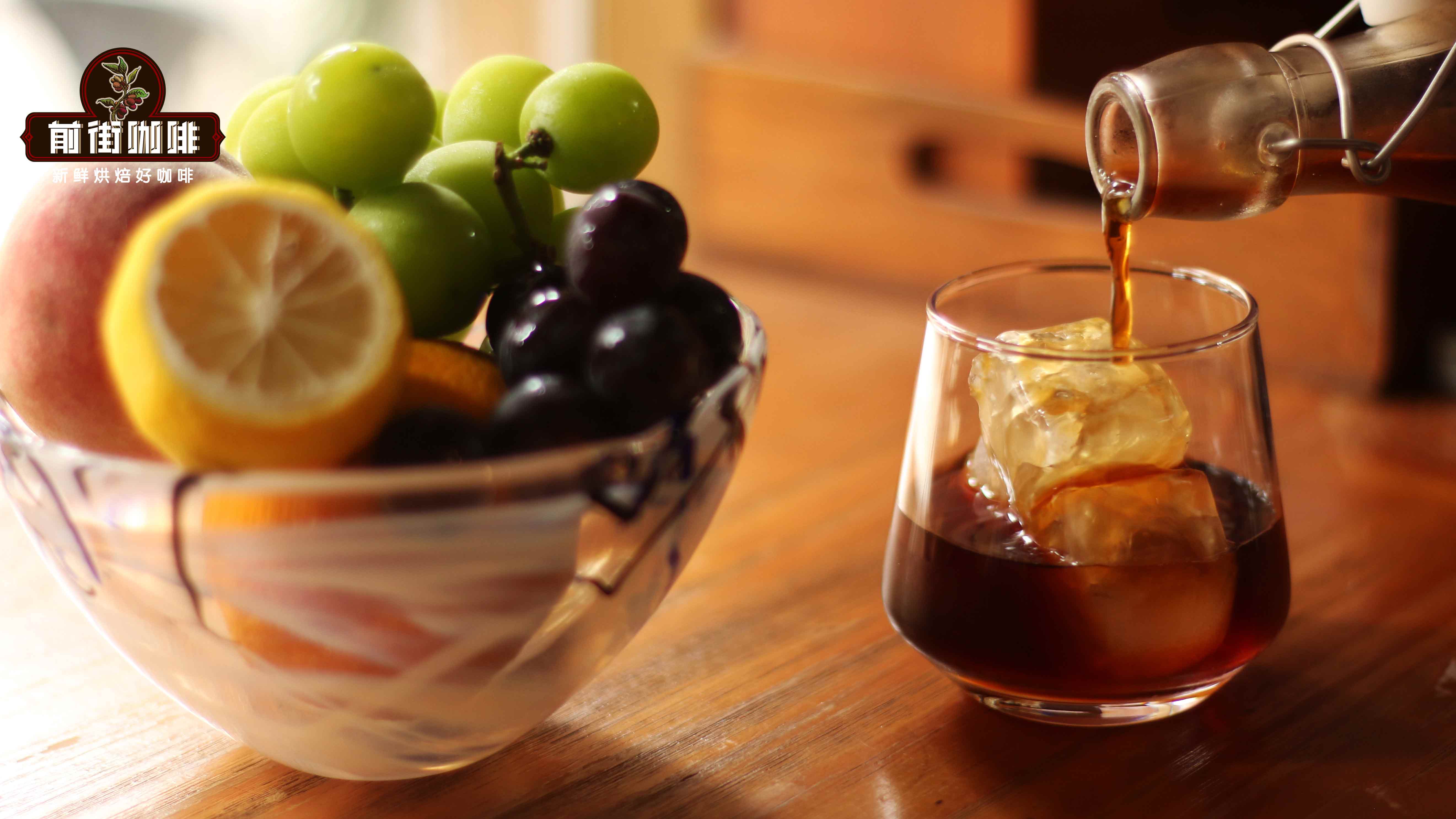
Fruity coffee fruit flavors often present a natural sweet-and-sour aroma, making them one of the most prized qualities in specialty coffee. They are generally divided into stone fruits (peach, apricot, apple), citrus (orange, lemon, pomelo, sweet orange), and berries (raspberry, strawberry, blackberry, blackcurrant, cherry). Generally speaking, [more…]
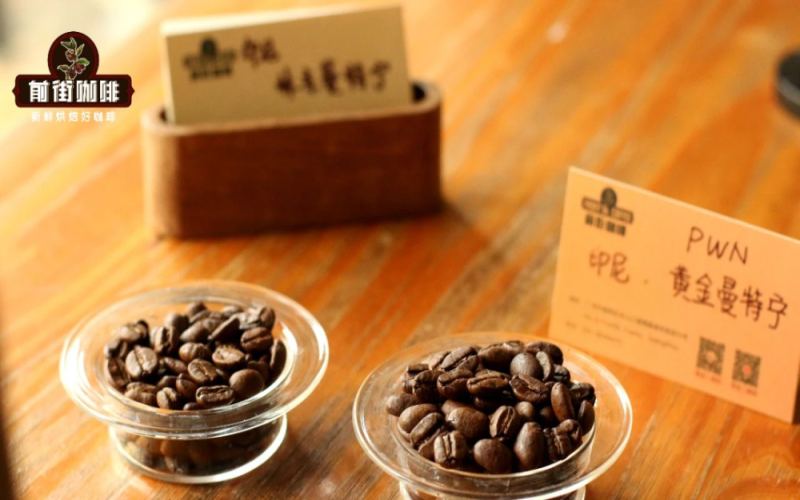
Hand-brewed coffee everyday beans | What are the high-quality coffee bean producing regions? Recommendations for light, medium, and dark roast single-origin beans suitable for coffee beginners to start hand-brewing
If you drink coffee every day, then you definitely need to stock up on enough daily staples in advance—that is, cheap yet good-tasting coffee beans. Here, to help everyone avoid spending money "unnecessarily," we've selected the most locally representative beans from major producing regions. How should coffee novices choose coffee beans? Front Street Coffee often gets asked by customers: [more…]
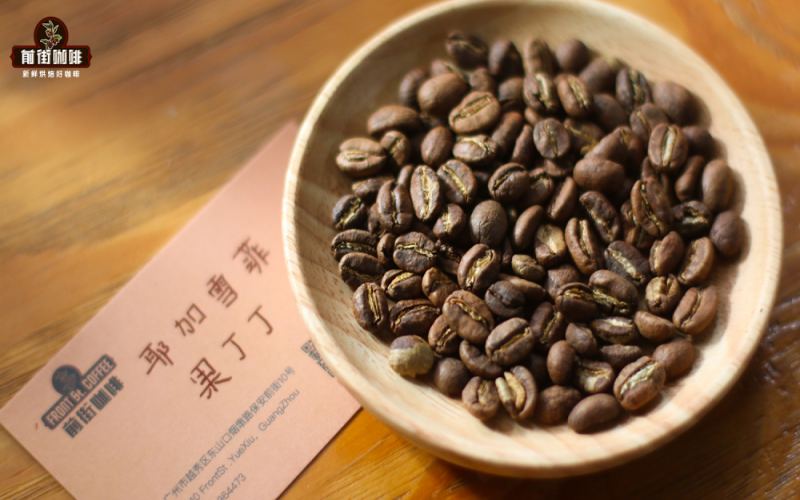
Exploring Ethiopia Yirgacheffe Gedeb Gotiti Cooperative: Flavor Analysis of Washed Specialty Hand-Brewed Coffee Beans
Yirgacheffe is renowned for its floral aroma, citrus acidity, and tea-like body, and the Gedeb Cooperative, as one of its shining gems, stands out with its clear tea-like quality and elegant fruit acidity. Front Street Coffee's Gedeb coffee beans are produced in the high-altitude areas of the Gedeo Zone, using traditional washed processing, Grade G1, with flavors spanning citrus, green tea, dried plum, floral notes, and honey. This article will provide an in-depth analysis of this bean's origin background, processing method, and cupping performance, from dry aroma to aftertaste, taking you through a comprehensive understanding of why it is hailed as "the last pure land of Yirgacheffe." Whether you are a pour-over enthusiast or a cold brew fan, you will find highlights worth savoring. [more…]
A Complete Guide to Guatemala's Seven Major Coffee Regions: Hand-Brewed Flavors and Bean Varieties of Antigua and Other Origins
Guatemala is an important specialty coffee producer in Central America, with seven distinctive major regions: Antigua, Cobán, Atitlán, Huehuetenango, Fraijanes, Oriente, and San Marcos. Each region, due to differences in volcanic soil, altitude, and microclimate, nurtures coffee beans with widely varying styles that have repeatedly won international acclaim. Among them, the Antigua region is known for its perfect balance of sweetness, acidity, and body with a hint of smokiness, while the high-altitude environment on the slopes of Volcán de Agua provides ideal growing conditions for premium coffee; its Strictly Hard Bean is plump with balanced acidity, and the giant beans are especially eye-catching. This article will introduce the seven major regions one by one, analyze the pour-over flavor characteristics of coffee beans from each area, and recommend related products from Front Street Coffee to help coffee lovers gain a comprehensive understanding of Guatemalan coffee. [more…]
Key Points for Selecting Hand-Brewed Coffee Beans and the 2025 Top 10 Highly Acclaimed Single-Origin Bean List
Many coffee enthusiasts often ask: what characteristics should hand-brewed coffee beans have? Which beans are best suited for pour-over? In fact, flavor preferences vary from person to person. There is no fixed list of specialty beans, nor is there a "best choice" that suits everyone. However, as the buyer base grows, some standout coffee beans naturally rise to the top, gradually forming a list with reference value. This article focuses on the pour-over brewing scenario and counts down the top ten highly regarded single-origin beans with the highest ratings, covering classic producing regions such as Colombia, Ethiopia, Kenya, Brazil, Indonesia, Rwanda, and Panama, while retaining specific product information from the Front Street Coffee brand, to provide you with a practical reference for your purchasing decisions. [more…]
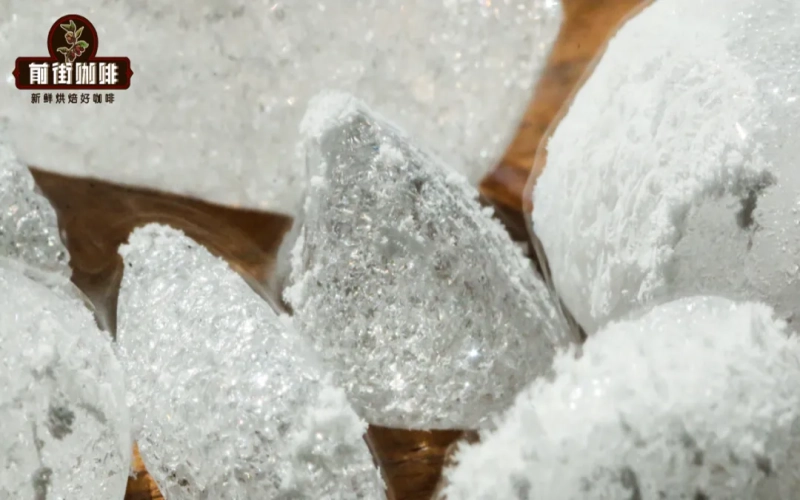
Is It Feasible to Use Dry Ice Instead of Ice Cubes for Iced Pour-Over? A Comprehensive Analysis of Cooling Methods for Pour-Over Coffee
Iced pour-over coffee needs rapid cooling, but ordinary ice cubes melt and dilute the coffee's strength. Some friends suggested using non-melting stainless steel ice cubes, but that attempt failed; then someone else recommended dry ice, which cools quickly and doesn't cause dilution. Dry ice can indeed chill coffee rapidly without turning into water, but when it sublimates it releases carbon dioxide, which dissolves into the coffee and turns a cup of iced pour-over into carbonated coffee—essentially deviating from what's wanted. This article provides a detailed analysis of dry ice's physical properties, its everyday uses, and why it's unsuitable for making pour-over coffee, along with Front Street Coffee's key points from their dry ice experiments and a recommended bean list. [more…]
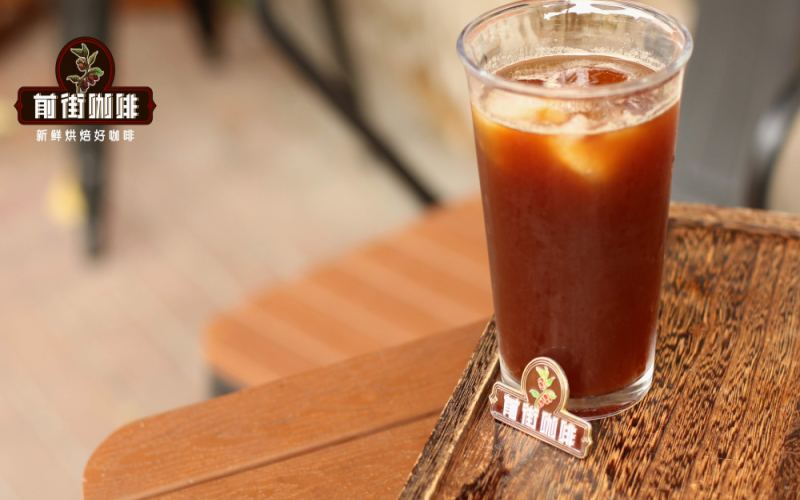
Cold Brew Coffee Specialty Bean Recommendations | What Is Cold Brew Coffee? The Extraction Principle Differences Between Cold Brew Coffee, Iced Americano, and Hand-Brewed Iced Coffee
For more specialty coffee knowledge, please follow our WeChat official account: Front Street Coffee (FrontStreet Coffee). Iced Americano and cold brew coffee can be said to be the two best-selling items in coffee shops during summer, but there is a very big difference in price—cold brew coffee is usually twice the price of an iced Americano! Similarly, [more…]
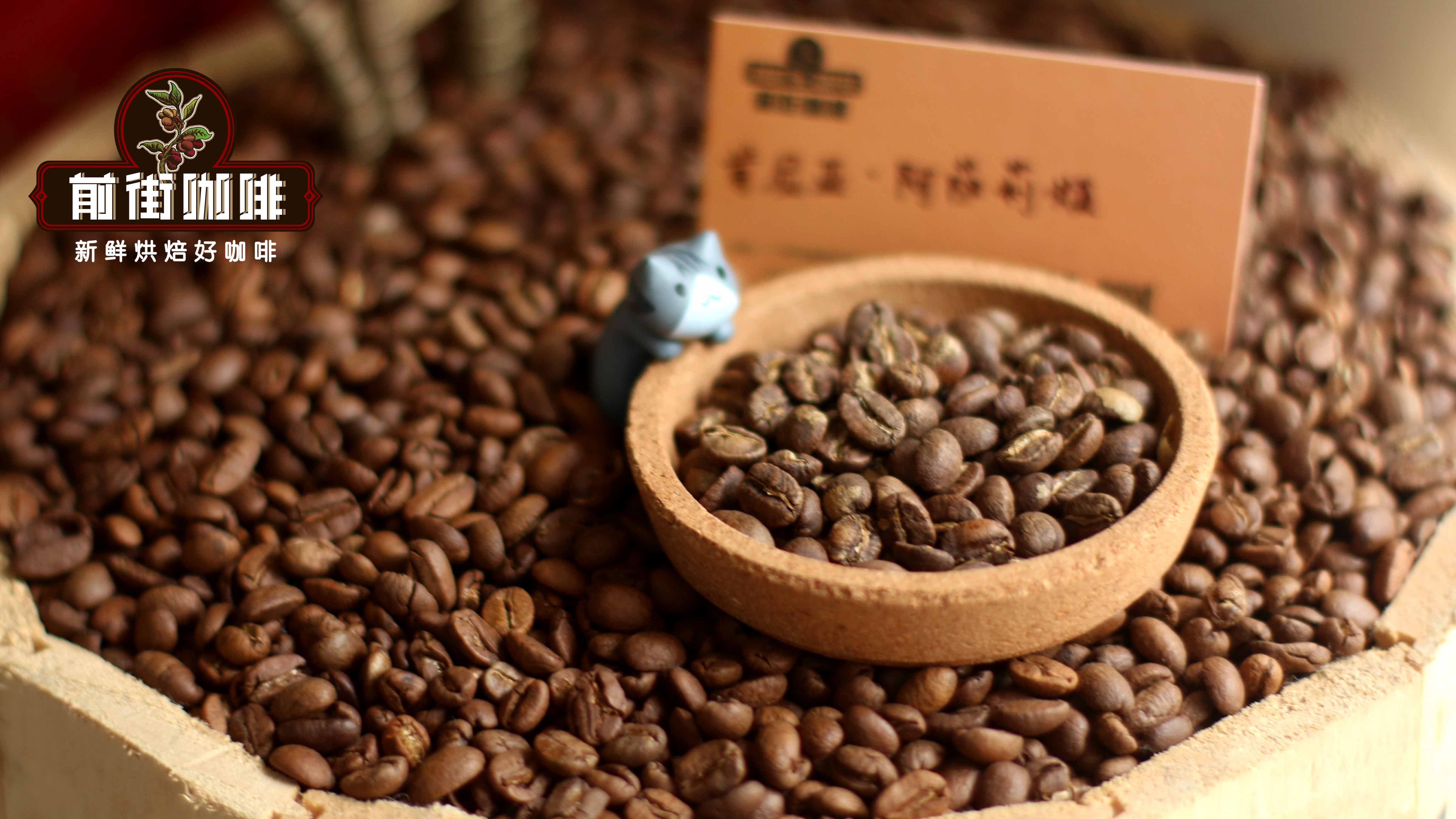
Kenya AA Gichathaini Factory Hand-Brewed Bean Recommendation: Flavor Analysis of Double-Washed SL28 and SL34 from Meru Region
When it comes to fruity, acidic pour-over coffee, most people first think of Ethiopia's Yirgacheffe, Huakui, or Panama's Geisha, while Kenyan coffee is often overlooked. In fact, Kenyan coffee also boasts layered sweet-and-sour aromas and a juicy mouthfeel. This article focuses on the Kenya AA Meru region Gichathaini processing station, taking a deep dive into its varietal characteristics, its unique washed processing method, and how roast level affects the flavor presentation. It will also introduce the specific details of Front Street Coffee's Kenya Little Tomato coffee beans, helping coffee enthusiasts find a fresh Kenyan pour-over bean worth picking up. [more…]
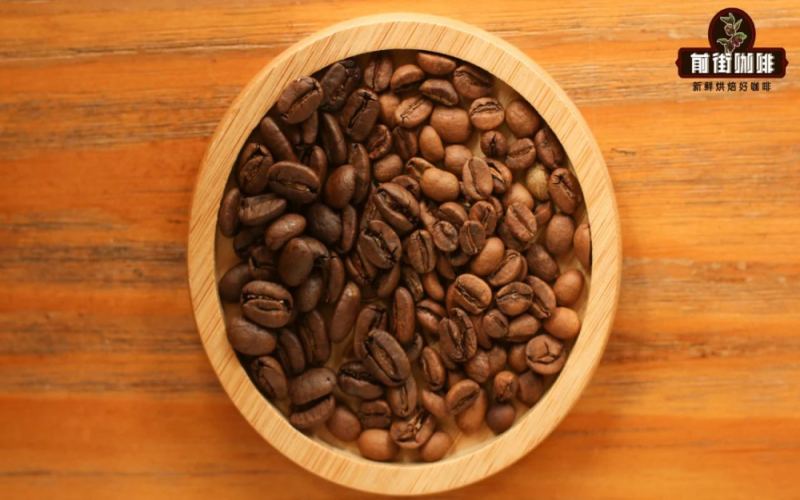
Medium-light roast Arabica | What is the relationship between coffee roast level and coffee flavor? What are recommended single-origin hand-brewed coffee beans with floral and fruity flavors?
As you all know, in order to allow the flavor and aroma of coffee beans to be effectively released, they must undergo high-temperature roasting, and the roasting level suitable for a given coffee should be chosen based on the characteristics of the green beans. Sometimes even completely identical beans can produce entirely different coffee flavors due to differences in the depth of roasting. Worth noting [more…]
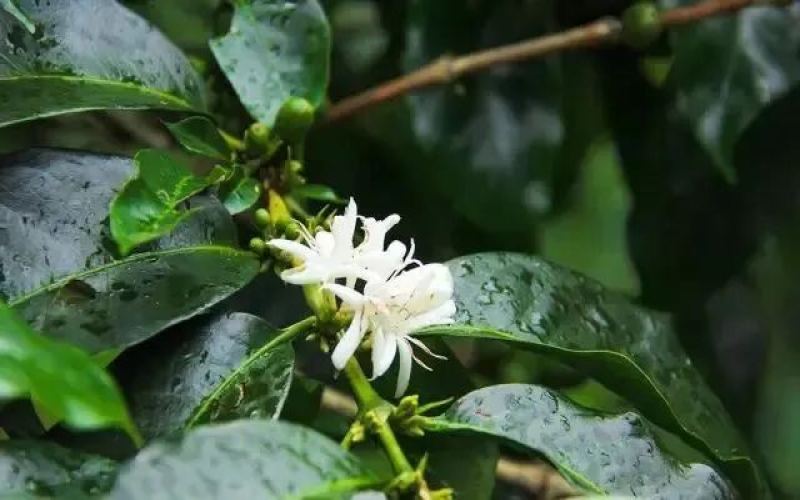
Specialty Coffee Variety Geisha | Is Panama the birthplace of Geisha coffee beans? What are the characteristics of Geisha? Light roast premium hand-brewed single-origin beans
Geisha refers to a coffee variety that originated in Ethiopia, the birthplace of coffee. After continuous selection, it made its way to Central and South America, rose to fame in Panama in 2004, and became hugely popular in the consumer market due to its signature flavor. Geisha green beans are slender in shape, and the roasted beans have strong fruity aroma characteristics, accompanied by [more…]